
Winter reminds me of the Greek myth about Persephone, the beautiful daughter of gods Demeter and Zeus.
Persephone was picking flowers when Hades, God of the underworld, saw her and took her to be his bride.
When Demeter, goddess of the earth and harvest, discovered what happened, she was beside herself. She cursed the earth. Plants withered and died.
Long story short, since Persephone had eaten six seeds of a pomegranate, she had to spend six months of the year in the underworld with Hades but could return to earth for the remainder of the year.
Demeter brought the earth back to life each spring when Persephone reemerged, hence the origin of our seasons.
I look forward to the return of spring and the liberation of Persephone, but winter has its own charms.
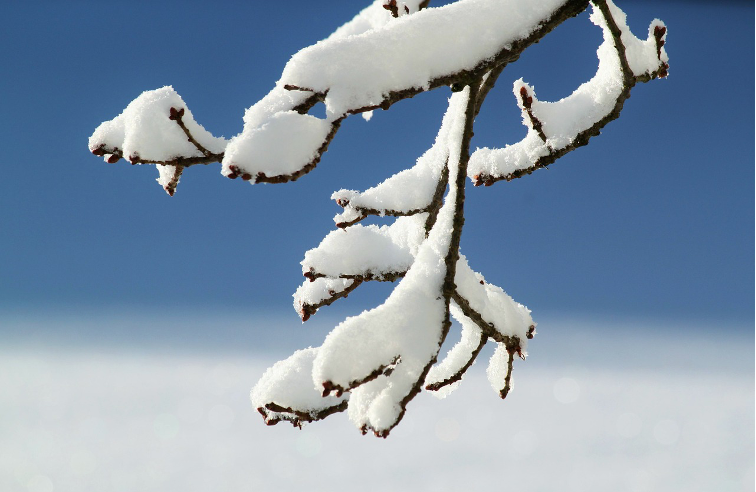
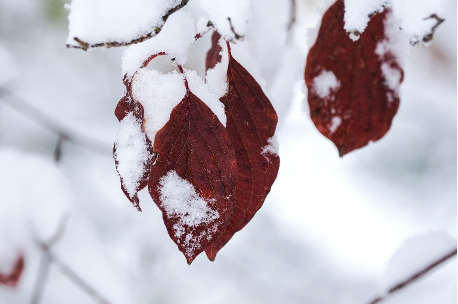
Falling snow creates a magic all its own. Layers of snowflakes transform barren trees, shrubs, stems, and stalks giving them a unique beauty. Winterberry bushes and holly trees provide a backdrop of green and red to landscapes while untrimmed switchgrasses provide soft stalks that soften the edges. Pines and evergreen magnolias offer a welcome touch of green and shelter for wildlife.
Winter may seem like a time of rest yet there are many tasks that can be attended to.
Shrubs and trees go dormant in the winter making January and February the perfect time to prune many of them. (Trees dead, diseased, damaged, or crossing should be pruned year-round.) For details about a specific shrub or tree, look on the Internet.
Warm winter days are also an opportune time to weed. Many invasives sprout in winter and can be easily removed when they are young.
Since many tools sit idle in the winter, it is an ideal time to clean, sharpen and oil pruners, shovels and other items.
Finally, bird and insect populations have been dropping dramatically in the United States over more than 50 years. What is the best way to help them? Grow native plants. Shrubs with berries, oaks and other trees that support caterpillars and bees, and perennials provide essential sources of food for pollinators and other wildlife.
I also provide supplemental food for birds. Chipped and black oil sunflower are favorites among almost every type of bird. Safflower attracts cardinals, suet draws woodpeckers and others, and peanuts, either in the shell or shelled, are a favorite among bluejays and tufted tit mice. I have recently added mealy worms for bluebirds.
Where are these insects in winter? While some migrate, others overwinter in your yard. Brush piles, hollow stems, stacks, and leaves serve as Airbnbs” for beneficial insects and pollinators.
These good insects tuck into or under natural surfaces and wait for the warm weather to return.
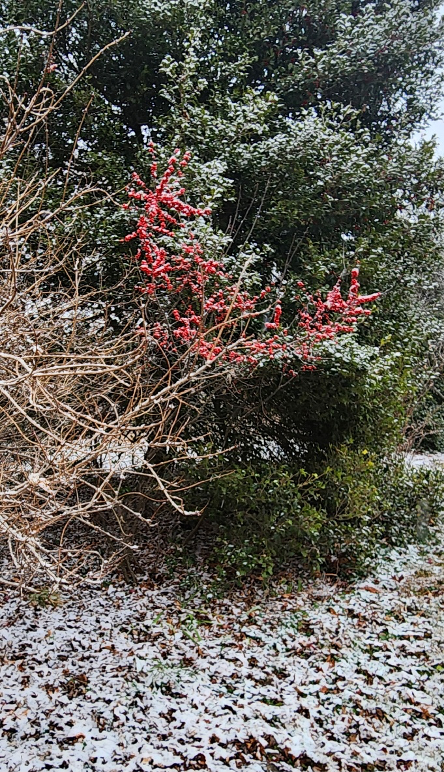
The one winter tasks that you should ignore: raking leaves.
In addition to providing a cover for insects, they enrich the soil (forest soil gains its richness from fallen leaves). Hence the mantra, Leave the Leaves!
If you dislike leaves in the yard, rake them under a tree or a wild corner of the garden. Leave them whole; chopping them will invariably kill some of the butterflies and other beneficial insects snoozing below.
So, take the time you used to spend raking and enjoy a gardening book or start some seeds in anticipation of spring.
~