It’s time to let native plants take the spotlight in your garden. While Europeans quickly fell in love with America’s native flora, many Americans have yet to fully appreciate the treasures in their own backyards. What native plants have you been overlooking? Review some of the thousands of plants that are native to Maryland, from annuals and perennials to shrubs and trees and everything in between!
# PDE-163 | $95 (includes fees: $85) A2 Tue, Thu | Sept. 22 & 24 | 6 – 9 p.m. 2 sessions | Main Campus Instructor: Laura O’Callaghan, a Master Gardener, Ambassador for the Xerces Society for the Conservation of Invertebrates, and website editor of IntheGardenwithLaura.com.
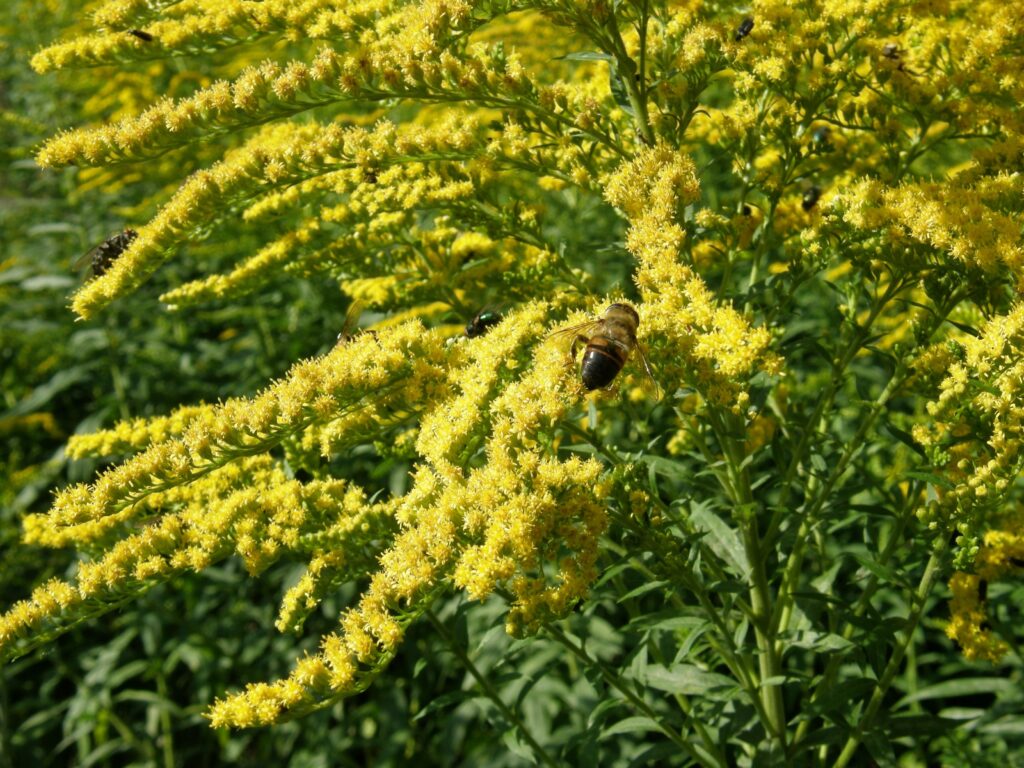
Goldenrod (unlike ragweed, does not cause allergies, comes in many heights and styles. It is a critical plant for bees and butterflies in the fall as they prepare for winter.
Photo by Sally and Andy Wasowski, Lady Bird Johnson Wildlife Center.
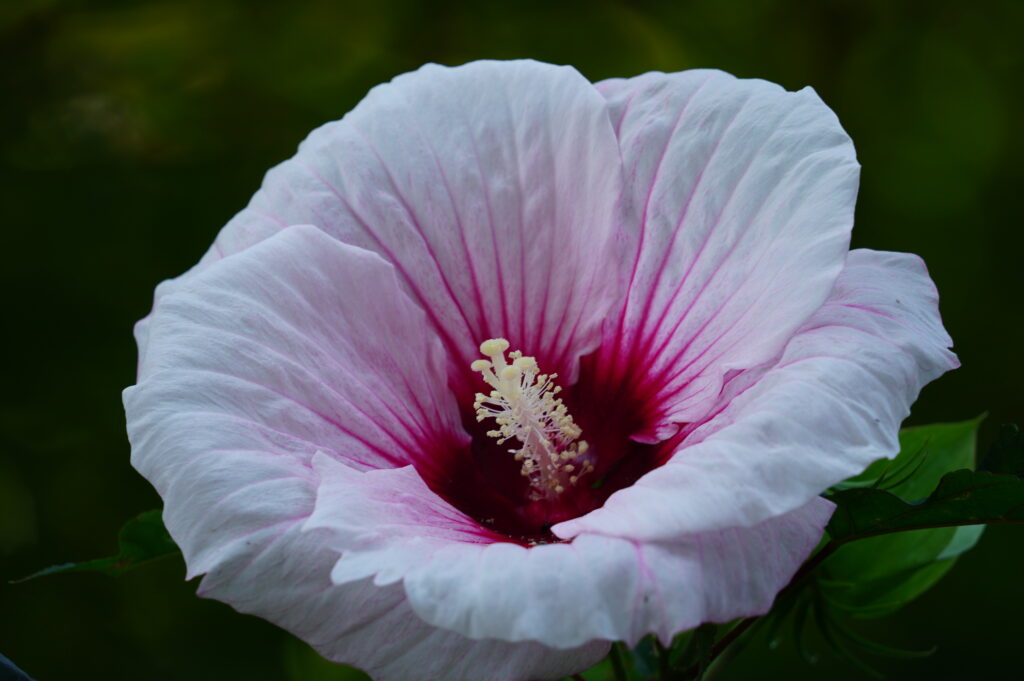
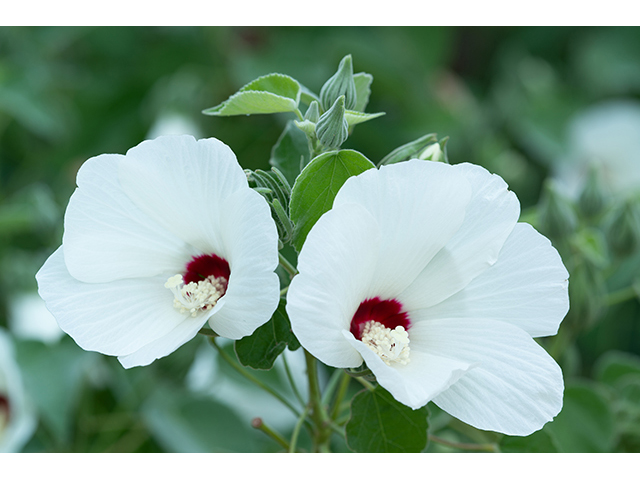
Looking for a delightful addition to your summer garden? Swamp rose mallow aka crimsoneyed rose mallow with its creamy white or pale pink blooms provides a showy addition from July to September.
Rose mallow growing at Mt Cuba Research Center in Delaware. Photo by Dave O’Callaghan.
Hibiscus moscheutos L., an herbaceous perennial, is part of the Malvaceae family. Its native range is southern and eastern North America; and it grows in zone 5 to 7.
What is the magic of rose mallows? Their flowers of are among the largest of any perennial hardy to Maryland, growing 4 to 8 inches wide. Each flower lasts just one to two days, but new flowers open each day in rapid succession from July to September. At the peak of bloom, a large plant can produce 20 or more flowers per day, according to the Missouri Botanical Plant Finder (MBPF).
Colors of cultivars’ blooms range from shades of red, lavender, peach, bicolor, to deep burgundy.
This plant, which requires medium care, grows from 3.00 to 7.00 ft and spreads from 2.00 to 4.00 ft. It needs full sun and moist-to-wet soil. I grow mine next to the bird bath so it gets an extra dose of water every time I refill it.
It is native to wet spots such as marshes, swamps, floodplains, river banks, moist meadows, and moist woods and can be grown in rain gardens.
It “tolerates some light shade, but full sun with good air circulation produces the best flowers, the strongest stems and is the best environment for resisting potential diseases. Site in locations protected from wind to minimize the risk of wind burn,” states the MBPF.
“Pinch back growing tips when they reach 8” and again at 12” if bushy plants are desired. Deadhead individual flowers to maintain plant appearance. Cut back stems to approximately 3-4 inches in late autumn. New growth shoots are slow to emerge in spring. However, once new growth begins, it proceeds quite rapidly. Plants will benefit from regular fertilization during the growing season.
“New growth shoots are slow to emerge in spring. However, once new growth begins, it proceeds quite rapidly. Plants will benefit from regular fertilization during the growing season. Some susceptibility to leaf spots, blights, rusts and canker. Japanese beetles can damage foliage if left unchecked. Whiteflies, aphids and scale are occasional insect visitors. Leaf scorch will occur if soils dry out.” MBPF further notes.
I do not fertilize my plants; I only use fertilizers in extreme situations such as on azaleas and hollies after this year’s late freezes damaged them. If I find that the rose mallows need them down the road, I’ll let you know.
white rose mallow Photo by Bruce Leander, Lady Bird Johnson Wildlife Center.
Numerous cultivars of rose mallow are grown; you may have a difficult time finding a straight species.
While MBPF states that deer don’t tend to eat rose mallow, I found they ate the tops of my plants for the past three years. They are now safely fenced in and blooming profusely.
Another tip: rose mallow may interbred with cultivars growing near them. While your original rose mallow will be the same plant, it may be cross pollinated by bees and other pollinators with other cultivars of swamp rose mallow. Future generations may show mixed traits: different colors of blooms, altered leaf shapes, or varying plant sizes, according to the National Institutes of Health.
These beautiful plants will draw you into your garden along with large butterflies, hummingbirds, and native pollinators.
Over a hundred years ago, a pioneering American landscape architect blurred the lines between gardening and agriculture combining native plants with a European-based style of axial garden design.
Who was this avant-garde designer, lecturer and author? Martha Brooks Hutcheson, 1871-1959. Her gardens, lectures and writings, however, have largely been lost to history.
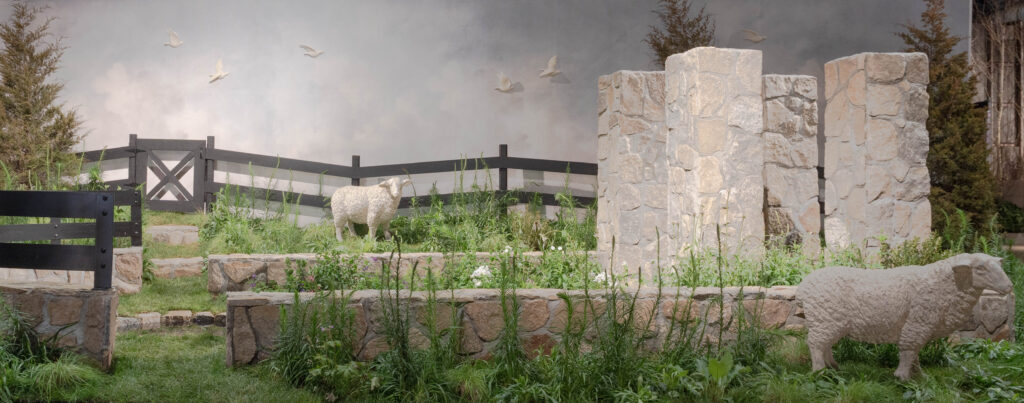
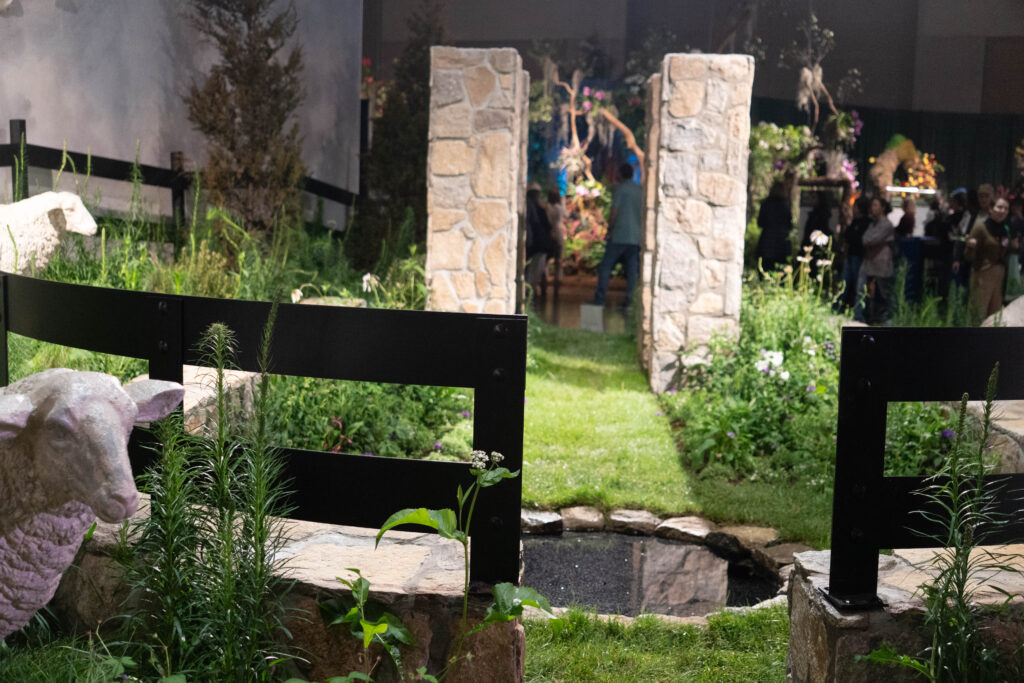
Susan Cohan decided to set the record straight. Her exhibit, “Kindred Spirit” in this year’s Philadelphia Flower Show, pays tribute to Hutcheson’s works.
The garden, arranged with structure and symmetry, overflows with native plants growing with abandon. Focal points created by rustic stonework draw the visitor’s eye through the exhibit; a small pond echoes the larger pool found in Hutcheson’s original garden on her farm.
Hutcheson’s work resonated with Cohan’s own sense of design.
Hutcheson was a firm believer in axial design—once an axis has been established, the garden can be filled with plants.
Both women consider structure and focus critical elements within a garden. Once that has been established, native plants can roam.