
Fall & Winter Watering Tips
Watering properly can mean the difference between a plant thriving or dying. Here is a guide on best practices for watering your garden effectively this fall and winter while conserving water:
Know Your Plants
Match plants to their preferred soil moisture levels: dry, moist or wet. The Missouri Botanical Plant Finder is a great resource if you aren’t sure.
Choose resilient native plants suited to your local climate. Once established, native plants typically require significantly less supplemental water than non-native ones. Plants need to be resilient to survive climate change and the temperature swings that accompany it. Maryland will undoubtedly face greater extremes in weather including droughts, more severe storms and greater flooding in the future.
By choosing the right plants and growing them in ecosystems that protect and support them, they should thrive, hence the phrase right plant, right place.
Before You Water, Check the Soil
Before you water, check to see if the garden needs it. Pull back the mulch and stick you index finger about 2 inches into the soil.
If the soil is cool, damp or a small amount of dirt clings to your finger, the plant has enough water. Don’t water.
If the soil is dry, warm or crumbly and your finger is mostly clean after you stick it in, your plant needs water.
You can also use a moisture meter. They are available at most hardware stores.
How Much Is Enough?
Most established native gardens in Maryland need 1 inch of water per week. During hot, dry or windy summers, you may need 1.5 to 2 inches of water. Rain gauges are an easy way to measure rainfall.
When Should You Water?
Water early in the morning, ideally between 5 and 9 am to reduce evaporation loss and prevent fungal diseases on wet leaves.
Check the soil’s moisture levels weekly during the hottest and driest periods of the summer and fall. Young trees as well as some shrubs may need extra water or mulch.
Perennials: If adding plants to your garden in the fall, immediately soak them after planting. Check on them regularly. Water deeply, not daily. Deep watering encourages perennials to grow longer roots.
“Drought tolerant” perennials are only resistant to drought after they become established. Mulch reduces the need for frequent watering, according to Penn State Extension.
Trees and shrubs: Watering frequency depends on the type of plant; the soil texture (clay, loam or sand); whether it is established or a new plant; and weather conditions. Learn the water requirements of your plants, monitor weather and soil conditions. Water accordingly. Wind can play a factor too; strong winds dry out both plants and soil.
Newly-planted trees and shrubs:Immediately and thoroughly water newly planted trees and shrubs. For the first 2 weeksafter you plant them, check the soil’s moisture daily. Water deeply if the top 6 inches of the soil feels dry to the touch.
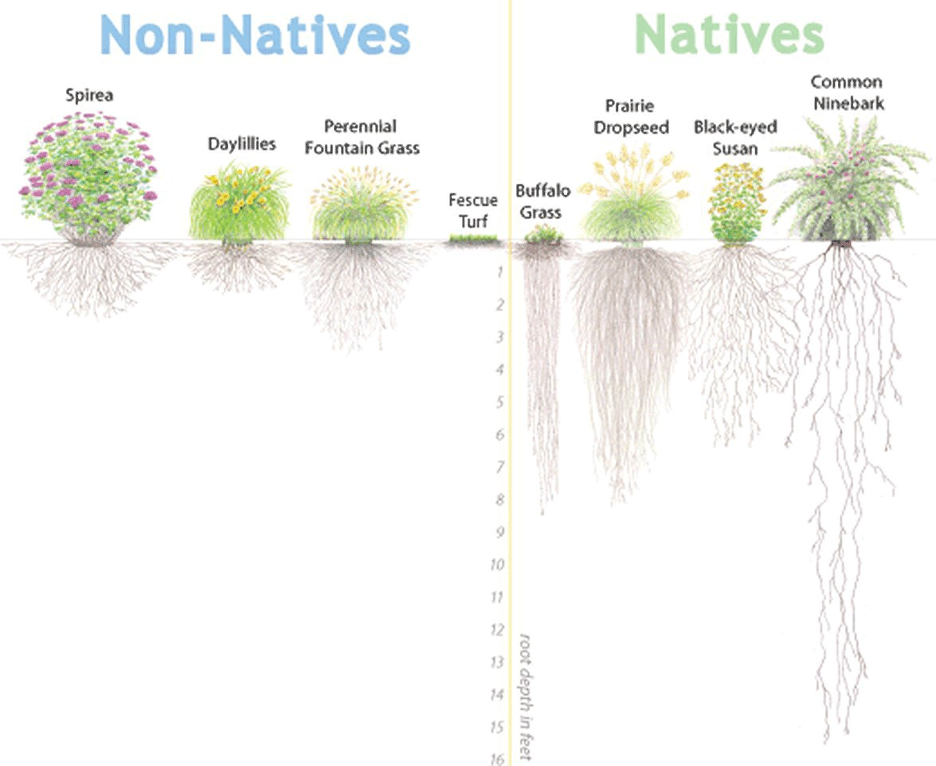
Image courtesy of The Alliance for the Bay.
During the first 2 years after planting, check the soil at least once a week. Water if the top 6 inches of the soil feels dry to help the roots of the new plants become established.
Avoid overwatering: Newly planted trees can drown if watered too often. Water should soak in quickly. The plants should never sit in a puddle of water for an extended period of time as that can lead to root damage. Use the finger test before watering. Some drought-resistant native plants may appear to be wilting but the soil is sufficiently moist, notes UME.
Watering in winter:Should you water your plants in the winter? It depends, according to Laura Powell, Brooklyn Botanic Garden.
Dormant plants do not need to be watered until they break dormancy in spring. Non-dormant plants may need water.
Woody plants, like birches or redbuds, are dormant once they lose their leaves. Herbaceous plants, like milkweeds or asters, become dormant when their above-ground parts die back.
Watering evergreens: Plants that retain their leaves, such as evergreens, may need water if it is sunny and the temperature is consistently above 40 or 50 degrees.
Evergreen trees and shrubs have foliage that stays alive year-round. Water them deeply in the fall before the ground freezes if precipitation has been insufficient.
Evergreens continue to lose water during the winter, especially when the temperature is above 40°F and on sunny, windy days. If the soil is dry, the plants may become desiccated, turn brown, and die, though the symptoms may not be obvious until spring.
If the temperatures are below freezing all winter, you do not need to water at all, plants’ roots cannot absorb it, adds Powell.
Conserve and Prioritize
In times of drought, focus on watering young trees first, then shrubs and perennials. Mature shade trees typically withstand drought the best.
Group plants with similar water needs together (e.g., rain gardens for moisture-loving plants, rock gardens for drought-tolerant ones). Add organic matter into the soil and apply mulch to improve moisture retention and prevent runoff.
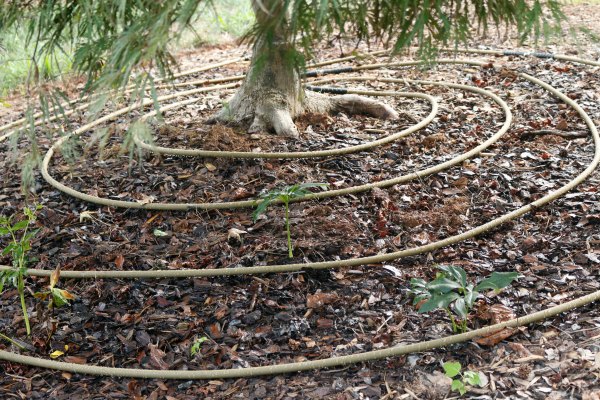
Use efficient irrigation tools like soaker hoses or watering wands to deliver moisture directly to the roots.
Other options: capture rainwater, replace lawns with gardens, mow your lawn higher and less frequently, and reduce weeds to reduce water needs in your landscape.
Do You Best
After listing to all of these recommendations, I have to admit that I have broken many of them. Sometimes the plants thrive despite me, other times I watch in horror as a plant I just purchased and prize, withers away due to the wrong type of care.
Mother Nature will often be on your side but not all the time. I simply hope to do a little better the next go round.